www.ag3derm.com
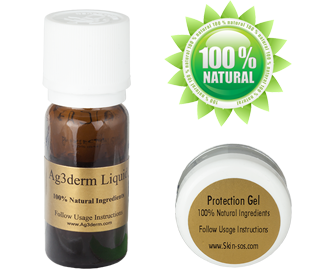
Ann uses Ag3derm Cream to remove a keratosis from beneath her left eye.
Because of its greasy and waxy attributes, seborrheic keratosis can be differentiated from actinic. This commonly appears when someone is old, and they also look like warts. But you really don’t have to be old to have seborrheic keratosis. One of its factors could be heredity. They commonly arise from keratinocytes. Since it is noncancerous, it is nothing to be too worried about. But those who are beauty conscious may find it very unsightly. Also called as senile warts, this type of keratosis has nothing to do with viruses causing warts.
Keratosis is a skin condition caused by excessive keratin on skin. Keratin composes the hair and nails of humans. When it is produced out of proportion, some skin problems like keratosis could occur. There are many types of keratoses, each varying in nature and causes.
Actinic Keratosis
Solar keratosis or senile keratosis is actinic keratosis scientifically. This skin condition often occurs to elder people, and to people who get too much sun exposure, thus the names senile or solar keratosis. Squamous cell carcinoma can be developed from lesions brought about by actinic keratosis. Actinic keratosis are wart like bumps which is rough, scaly but non viral. One must be concerned if he or she has this, for it can progress into a skin cancer later.
Actinic keratosis is rough-colored spots that can be found on the surface of the skin. These spots differ from pin-sized spots to coin-sized spots. Having this condition may lead to having cancer if left untreated.
Candidates to having this skin condition are those who have fair skin colors and are 40 years old or above. There are also cases wherein teenagers are affected by this condition. It is very important to have actinic keratoses removed off the skin in order to prevent the development of cancer cells. If you are going to ignore this skin condition, it is very likely that your health will suffer. Nevertheless, suffering from this skin condition does not trigger the development of cancer cells later on.
A serious issue about having actinic keratosis is its probable progression into squamous cell carcinoma. Squamous cell carcinoma is the second most common form of skin cancer and usually affects areas that get the most exposure to the sun such as the face. Having actinic keratosis can heighten one’s risk of having squamous cell carcinoma, so if you are concerned about your health, that actinic keratosis must go once it is diagnosed.
Keratinocytes affected by UV radiation can mutate and fail. The bumpy and scaly characteristic is contributed by the thickening of the epidermis on the affected part. Keratin is the main element of our hair and nails, thus the term keratosis is coined. This also contributes to actinic keratosis’ wart like appearance.
Epidermolytic hyperkeratosis (EHK), is also referred to as Bullous CIE. It is an autosomal infection , which results from the mutation of some keratin producing genes. Many mutation problems caused to these keratin supplying genes have been reported to be behind several complications caused by the infection. The mutations caused on these keratin genes often result in what is known as defective Keratin proteins. Skin collapse and clinical blistering are some of the earliest symptoms of the complications caused by the mutation to keratin protein, the body’s reaction to compensate for the loss of keratin protein often result in the thickening of the skin and that results in more complications.
Keratosis pilaris is a very common kind condition of skin that helps to cause smaller size bumps like sand paper that may appear on the upper side of arms, thighs and buttocks. It makes the outlook of your skin just like you are having “Goose bumps”. The color of these bumps is similar to your skin color but seems like inflamed or red color. They may create an itchy feeling but don’t cause any kind of physical pain. It just delivers an out look of acne if they appear on your facial skin. Your skin appearance may become red, dry and rough. The color of the areas that get affected by the keratosis pilaris may become darker or lighter in color as compared the surrounding skin. This can take place if you rub or pick at the bumps. But can be eliminated with the treatment.
Do you have any idea what those skin lesions might be? This is the result of the extra development of the protein keratin, naturally found in the skin. Generally, avoidance of advancement to cancer, promotion of comfort and cosmetic enhancement are the function of treatments. Since you can select from a list of keratosis treatment options, it is crucial to ascertain which of them is most appropriate for you – by discovering the keratosis type you have and discovering its cause. This will be a bit difficult because there are three types of keratosis. In the following paragraphs, we will tackle these three types, namely, actinic keratosis, seborrheic keratosis and keratosis pilaris as well as their treatments.
A child’s skin is very sensitive and can be far more effected by conditions such as keratosis. Children’s skin needs for a more delicate care because their skin now could possibly determine their skin condition later in life. A good example is skin blemishes. He or she can still have it until he reaches puberty and it could result to low self esteem.
Having skin disorders are due to many causes, in this case, we’ll take a look at keratosis and pigmentation. The disproportionate amounts of keratin and melanin is the cause of these skin disorders. The excessive keratin causes keratosis, while excessive melanin causes hyperpigmentation. Too much keratin and melanin causes keratosis and hyperpigmentation respectively. Actually, keratin and melanin play important roles in our body. Keratin makes up our nails and hair, while melanin protects the skin. Keratin and melanin are risk free, but too much of it is not good for the skin.

Characterized by rough colors that can be found on the body. The sizes of these spots may vary from those that are like a pin to those that are like a coin. A person who lets go of the idea of this skin condition may suffer from worse condition such as cancer.
Those people who have light skin tones and are 40 year old or above are the ones who have the propensity to suffer from actinic keratoses. There are also cases wherein teenagers are affected by this condition. It is very significant to remove these spots in order to keep away from the development of cancer cells or other malignant conditions. Your health is primarily at stake if you are just going to ignore this skin condition. However, having actinic keratosis does not automatically mean that you will develop cancer cells.
Do you have any idea what those skin lesions might be? This is the result of the extra growth of the protein keratin, naturally found in the skin called keratosis. Generally, prohibition of progression to cancer, promotion of comfort and cosmetic enhancement are the aim of treatments. Since you can select from a list of treatment options, it is imperative to ascertain which of them is most appropriate for you – by determining the condition you have and uncovering its cause. This will not be that easy for there are three keratosis types. These are actinic, seborrheic and keratosis pilaris which we will be disussing along with their respective treatments.
Read the rest of this entry »